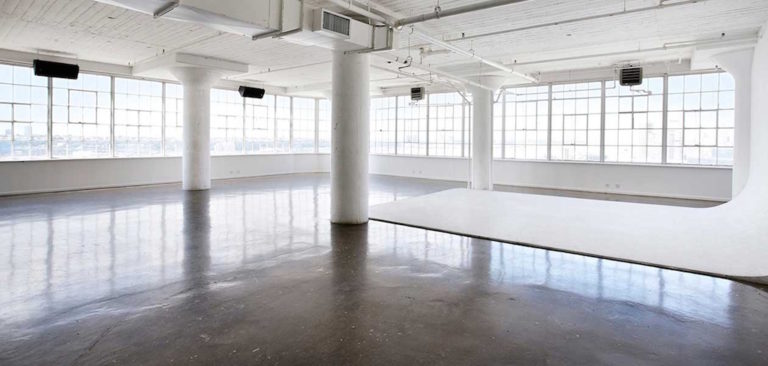
VENKY PHOTOGRAPHY/COURTESY CANOE STUDIOS
This picture is lend from ARTNEWS
Sweaterweather
Fairs are not unknown to the art field. For several decades, art fairs have been known to stand as an important arena for networking amongst artists and galleries. However, these kinds of fairs are often expensive to take part in and has been criticized by smaller galleries who feel excluded. Numerous articles online, also point to art fairs as being the death of small galleries.
Now anyhow, we are looking at a change. Weather this will work out or not, still remains unknown. A new art fair in in New York is making exhibitors an unusual offer: A cut of its profits. This start-up was worried about the high number of small and medium galleries who were shutting down and decided to design a more sustainable fair for art dealers.
The fair is called Future Fair to symbolize what the creators of the fair sees as the future of art fairs. It will run from May 7 to may 9 next year, and will only open for a total of 36 galleries. Even though this is a small number for such an event, the creators believe it will work in favour of the galleries in turns of networking.
The special thing about the fair is however not the small number of participants, but rather the concept of profit-sharing. After the fair, the galleries will split 35% equally, while 65% of the profit stays with the fair. Naturally, the galleries will only see a payout if the project makes money. The women behind the project, Rebeca Laliberte and Rachel Mijares Fick, are open about the fact that for the first year the goal is to break even. Still, they are confident that exhibitors can expect up to “three or four figures” in the following year. Some may argue that this will contribute to increased commercialization of the art marked, therefore putting art fairs in the commercial sector, not the autonomous sector, as explained by Bourdieu.
However, commerce aside, the fact is that the number of small and medium galleries are decreasing, and that in an alarming rate as well. Laliberte and Mijares Fick may have created a more commercial art fair in the search for a more sustainable and inclusive solution. Yet, they are not the only ones doing an untraditional take on the art market, to save the smaller galleries. Felix LA proposed a return to the crappy-hotel-room-fairs, and Object & Thing offering work from a variety of dealers on a recent exhibition.
“We think we need more optionality in the landscape that reflects the diversity of how galleries operate”
Mijares Fick said about the Future Fair.
Future fair may or may not be the future of art fairs; but a lot of evidence is pointing towards a rework of the standard art fairs, in favor of smaller galleries.
 Making sense of art and design industries