by iste2019
The introduction:
Art has always been a part of human culture. From the beginning with cave-paintings, to the renaissance with art as a symbol of money and power. Today art can be experienced as more complicated. Some of the core-factors that define these markets may be how commercial you are, how much you want to pay and where you want to go. The same goes for the artist. According to Fiona Greenland, art offers a source of “existential social knowledge that is of its own worth”. In other words, art can reveal certain aspects of society that other social phenomena can not.
The commercial art-market:
The commercial art-market prioritizes economic and commercial goals and is unlikely to produce political or symbolic capital alone. It’s divided into two types, the commercial recognized and the commercial unrecognized. The unrecognized often has small non-prime retail spaces, have limited promotional activity and support. Typical buyers are low-end collectors.
On the recognized side the gallery-space regularly is in exclusive retail areas, the exhibit work has significant promotion activity and support. Typical buyers are high-end collectors and curators.
The inclusive art-market:
Unlike the commercial market, the inclusive market emphasizes democratic, egalitarian artistic goals and instead generates political capital. When it comes to dealers or gallerists there are none, instead the gallery-space is communities, public spaces and buildings. The buyer is often the sentimental type. Regularly the buyer has a connection/relation with the artist. In other situations, the buyer will mean the art must have a story and buys directly from the artist or from the gallery.
The exclusive art-market:
The name origins from “excluding quality”, which means that many tries to attempt an entry only to be excluded. Unlike the commercial and inclusive art-markets, the exclusive art-market emphasis on artistic autonomy and is characterized by elite artists and other agents. As subcategories we have avant-garde “unrecognized” and avant-garde “recognized”.
The unrecognized is associated with cheap retail or commercial spaces as galleries, works with promotional activity to insert artist-work in the artist-world, but often little or no financial support and will attract art critics, but also lower-end collectors and curators. On the other hand, the recognized will be related to critics, high-end collectors and international curators. The gallery-space is in a more commercial space, but non-exclusive/retail-areas and the exhibit has more significant promotion and support.
The conclusion:
The cave-paintings covered a need of communication and in the renaissance, art mainly was a luxury for the rich and it was a symbol for power. In these days there has never been so many rich people, but so many poor in the first world country who has the need of art! One can still see the core-differences between the markets and therefore many may think that art is not for “me”. To be a part of art-markets you should understand it, and unless the exhibition is displayed at Astrup Fearnley who is one of the only galleries who actually promotes their showcases, only the elite will know it…
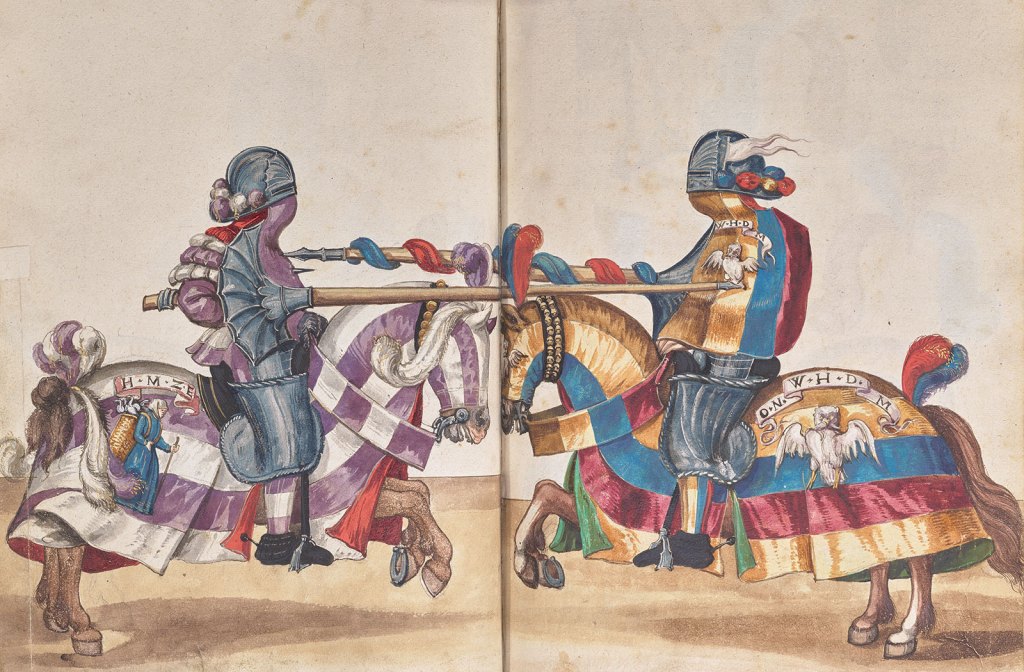
Duell ment to illustrate art in the middle of people.
 Making sense of art and design industries