By OlgaPatofzki
The Norwegian newspaper, Dagens Næringsliv, just wrote a story about how Norwegian design is breaking through internationally. Just a few months ago, Norwegian fashion designer Edda Gimnes and her brand “Edda” were selected for this year’s big fashion event at The Met. The exhibition is one of the most talked-about in the world. The visibility and credibility of Norwegian design and fashion have increased a lot, and the economic value has increased by 14% the last year. This is a recognition that exciting things are happening in Norway, which is creating big value for Norwegian design. The Fashion industry is the 4th largest value creator in the world, and that can also come with a drawback.
The fashion industry faces challenges as polluting, over-consumption, etc. Norway is, therefore, developing designs focusing on how we can be an innovator in sustainable textiles as it is a moral obligation to show CSR. An increased focus on sustainability will give Norwegian design and fashion more value creation.

Millennials and Generation Z have changed the buying patterns hence their increased focus on sustainability and the environment. Our generation also asks more questions when buying stuff as “who makes the clothes” and “what is this made of”. That’s why Fast Fashion has had a backlash in the last years.
Is it legitimate that Fast Fashion with productions in low-income land is starting to focus on sustainability? On one side fast fashion is a great way to follow the trends for people that can’t afford expensive clothes, as it’s cheaper because it is designed and made fast, and inexpensively. But on the other side making clothes with poor quality and with an expected short life is doomed to be environmentally damaging. Often sustainability is a privilege for only the people that can afford it, and that is what the fast fashion industry is now trying to change.
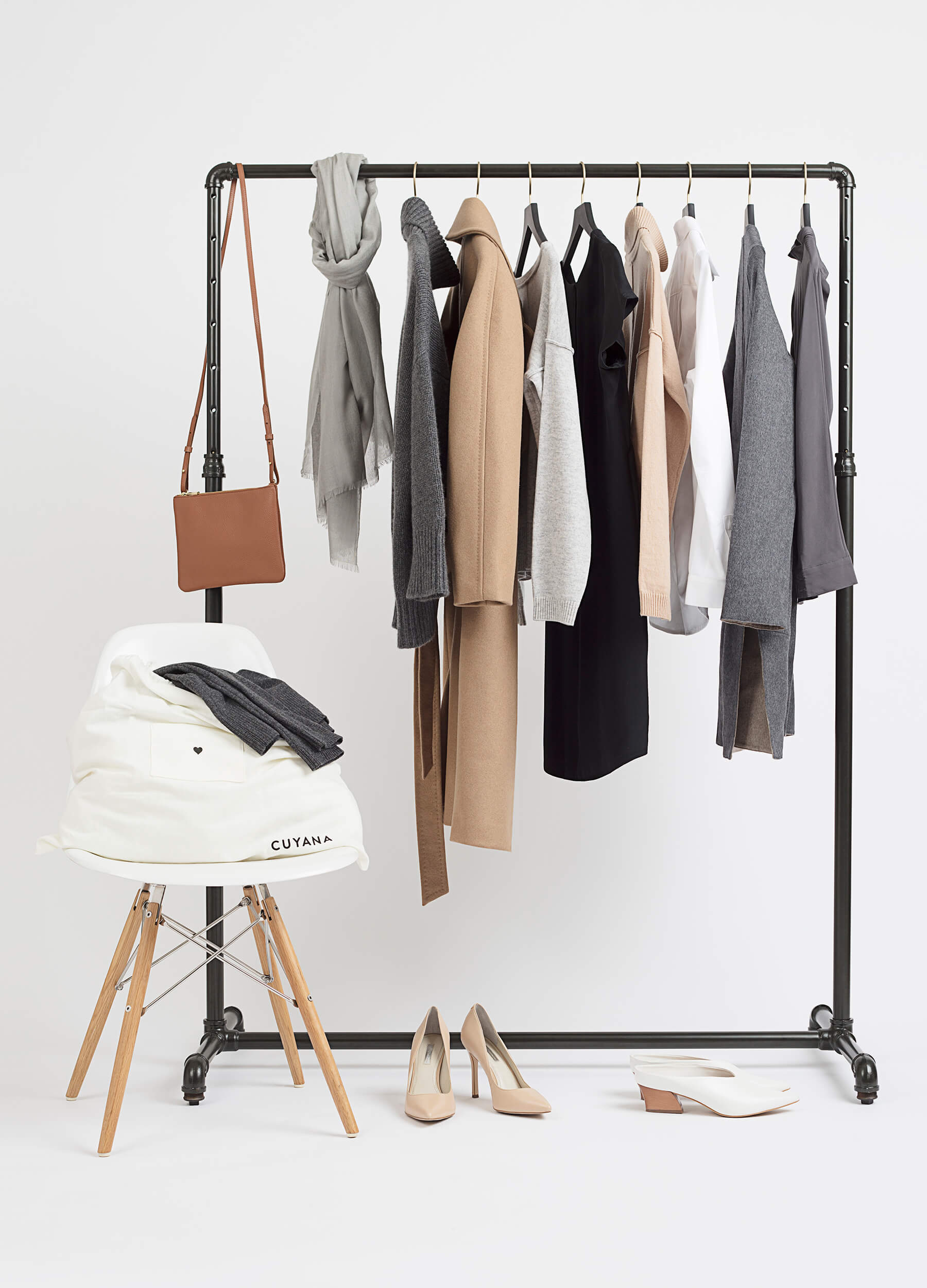
The brands should have a system without leaving a negative footprint and creating designs in a more considerate way, for humanity and the environment. But more sustainable materials can take many years to perfect. The question now is how we can be innovative in sustainable textiles but still make monetary value in the fashion design industry.
“ A value can become a business core proposition to its customers, for example ethical, sustainability and fair-trade. What is important to the customers and what is important in the future, is important to the business” – Shan Preddy
But should we distinguish between the businesses with a monetary/commercial value whose values are profit and business, and the businesses that have more cultural, symbolic and emotional value in the creative industries produced as a driver for innovation?
No, because focusing on monetary value is an unavoidable means of measurement in considering any aspect of business activity (Powerpoint-slide 5). As designers most likely aren’t educated in business, nor chosen their profession based on economic rewards, their not just responding to economic motives (Powerpoint slide 7).
Sources:
- Preddy,S. (2012) How to run a successful design business. Gower
- Dagens Næringsliv, (2019, 2. September) Norsk design slår gjennom internasjonalt https://www.dn.no/kultur/norsk-design-slar-gjennom-internasjonalt/2-1-664171
- Throsby, D. (2000) Economics and Culture. Cambridge University Press
- Powerpoint from Seminar 5
 Making sense of art and design industries