By olivnes
Society6 is an online global network of like-minded creatives, home to thousands artists around the world – a platform for artists to sell their artwork, which can be put on anything, from office supplies to doormats. As a buyer, you’re not only getting art but also functionality. The interesting part is that Society6 takes care of the production process – all the artist has to do is upload pieces, meaning no worries (or costs) on production processes, supply, market research. The artist is free to focus his or her own time into creating. For this, artists keep 10% of the sale.
Since a picture can be worth a thousand words, before you continue further, I advise you check out Society6’s page.
A gallery, such as Blank Space in Oslo, is the offline counterpart. This gallery defines itself as “an ambitious creative space in Oslo that works in countless aspects of the visual art and design community”. A physical space where art can also be bought and has no function other than being a treat for the eyes and soul. Art as therapy.
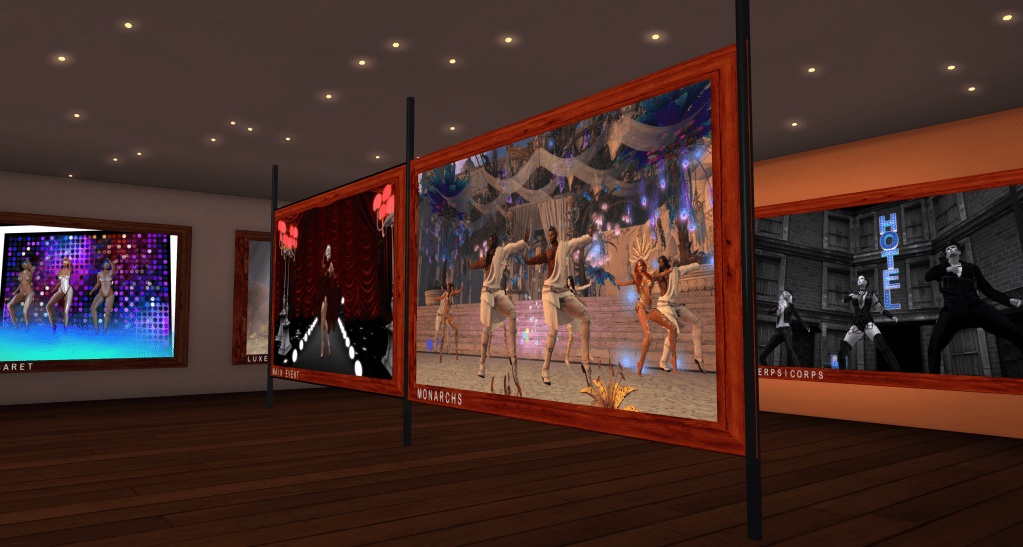
How do they differ? Both mediums are within the graphic design and modern visual arts neighbourhood. Both play the same role when it comes to displaying and selling the art work – it’s the way they do so that’s different. Both don’t produce art. Still, one might argue that Society6 and similar websites play an important role in shaping today’s art landscape. With Society6, you don’t really have a single moment where you feel appreciative and can fully focus your senses into appreciating art. What you do get is a continuous chance to carry art with you; use them; make them part of your everyday life – normalise them. Pause for a moment. Is that good? What does it mean for art and artists?
Take a second pause – On Society6, if the whole point is for the artworks to be reproducible, are they even art?
Although I consider there is none, this is my attempt on an answer. Most artists have a hard time making a living. According to the Livelihoods of Visual Artists: 2016 Data Report, lack of financial return from art practice affects 80% of artists, being the barrier to an artists’ carrer most commonly cited.
Society6 is part of the commercial unrecognised market – competes on availability, functionality, price, being a primary art market. Despite the reproducibility issue, Society6 fills a gap in the market; enables artists to do what they love and still earn a living, being unique in that manner.
Blank Space is part of the commercial unrecognised, although more pieces are recognised. Being part of both the primary and secondary art markets, they have one of a kind pieces. Galleries evoke more emotion and thought on the spectator – they certainly compete on that – but are harder to get into. A hard scale to balance.
In the end, I’ll leave it to artists: Does the possibility of a fatter bank account justify going against art’s nature? Can it even be considered “going against art’s nature?
Sources: https://society6.com/ + https://www.blankspaceoslo.com/ + Livelihoods of Visual Artists: 2016 Data Report
 Making sense of art and design industries